
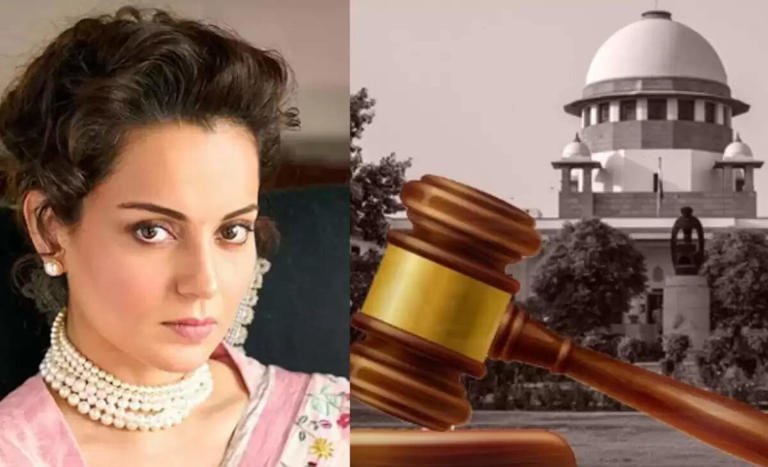
A Punjab court, specifically in Bathinda, has ordered BJP MP and actress Kangana Ranaut to appear in person on October 27 in a defamation case related to her remarks during the 2020-21 farmer protests. The case was filed by 73-year-old Mohinder Kaur, a resident of Bathinda, who alleged Kangana defamed her by comparing her to Bilkis Bano, associated with the Shaheen Bagh protest, in a retweet. The proceedings trace back to a social media post where Ranaut allegedly misidentified Kaur as Bilkis Bano of Shaheen Bagh fame, describing her as the same “dadi” who had participated in anti-CAA protests. In her complaint, Kaur alleged that the post contained “false imputations and remarks,” thereby injuring her reputation within the meaning of Section 499 of the Indian Penal Code.
The litigation has already seen multiple rounds before higher judicial forums. An earlier application seeking dismissal of the complaint was turned down by the Punjab and Haryana High Court. Ranaut thereafter approached the Supreme Court, which on September 12 observed that the post was not a mere retweet and that the actor-politician had “added spice” to what was existing. Following this remark, Ranaut withdrew her petition.
Key Details of the Case-
Alleged Remarks: Kangana Ranaut’s comments were about Mohinder Kaur’s participation in farmer protests, suggesting women were paid Rs 100 to attend.
Legal Proceedings: Kangana’s plea for exemption from personal appearance via video conferencing was rejected by the Bathinda court.
Previous Appeals: Her attempts to dismiss the case were rejected by the Punjab and Haryana High Court and the Supreme Court withdrew her plea after the apex court remarked she “added spice” to the retweet. Next Hearing Kangana Ranaut is directed to appear in person on October 27.
In Conclusion, The Bathinda court has directed BJP MP and actress Kangana Ranaut to appear in person on October 27 in a defamation case filed by 73-year-old Mohinder Kaur, who alleged Kangana defamed her with comments made during the 2020-21 farmer protests. The court’s decision underscores the legal scrutiny public figures face regarding their statements. Kangana’s plea for appearance via video conferencing was rejected, highlighting the court’s stance on personal accountability in such proceedings. This case reflects the intersection of public discourse, social media expression, and legal accountability.
