
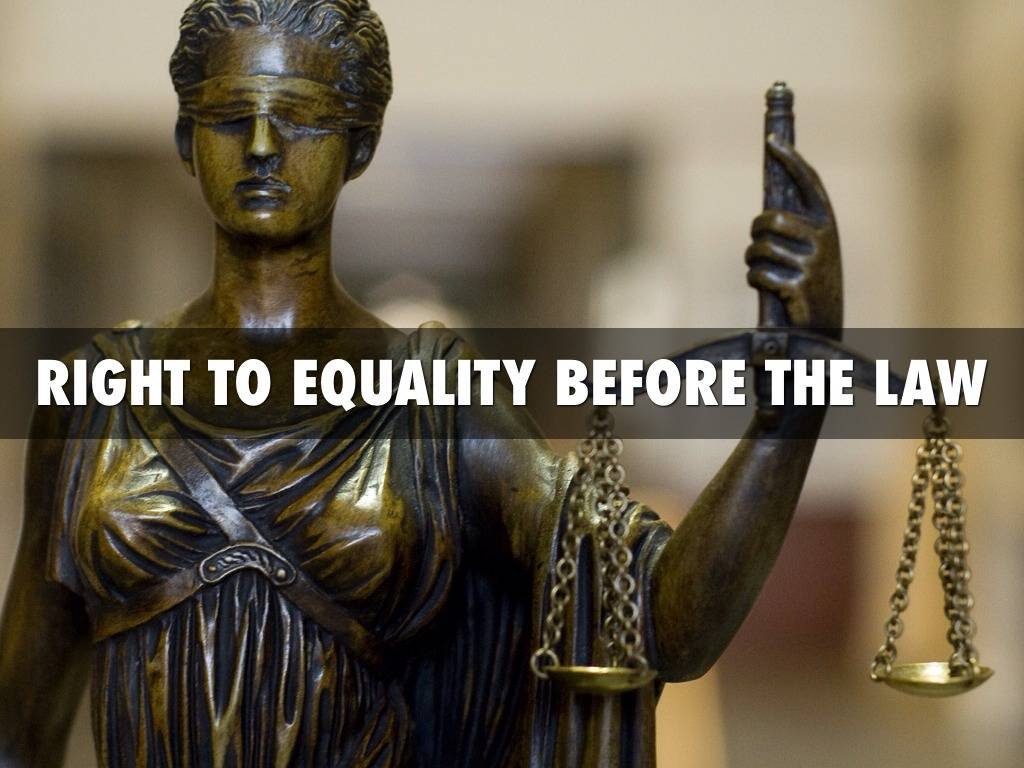
The Supreme Court of India recently quashed the segregated trial of Congress MLA Mamman Khan in connection with the 2023 Nuh communal violence cases. The court’s decision emphasizes that equality before the law is a fundamental right and not just a slogan. Segregation of a Legislator’s Trial Without Legal Justification Violates Article 21 and Undermines Rule of Law”: In a landmark ruling Supreme Court of India set aside the orders of a Nuh trial court and the Punjab & Haryana High Court, which had directed a separate charge sheet and segregated trial for MLA Mamman Khan, an accused in the 2023 Nuh communal violence cases. Holding the segregation legally untenable, the Court declared that no individual can be subjected to procedural disadvantage solely due to the office they hold, and that equality before law must operate as a lived constitutional guarantee, not a hollow formality.
The judgment, authored by Justice R. Mahadevan, squarely held that the trial court acted Suo motu, without notice or application, and passed an order of segregation purely because the accused was a sitting MLA, thereby infringing Articles 14 and 21 of the Constitution, and violating the statutory scheme under Sections 218–223 of the Code of Criminal Procedure, 1973.
Key Points:
Segregation Without Justification: The Supreme Court held that segregating Khan’s trial without legal justification violates Article 21 of the Indian Constitution, which guarantees protection of life and personal liberty.
Rule of Law: The judgment underscores the importance of upholding the rule of law and ensuring that no individual is subjected to procedural unfairness or discrimination.
Background: Mamman Khan, a Congress MLA from Haryana, was accused in connection with the Nuh violence and faced a separate trial as per the trial court’s order, which was later upheld by the Punjab and Haryana High Court.
Implications: This ruling sets a precedent for ensuring equal treatment under the law, emphasizing that procedural fairness is essential in the administration of justice.
The Supreme Court’s decision highlights the need for fairness and equality in the application of justice, ensuring that all individuals, including public figures like MLAs, are treated without bias or prejudice.
