
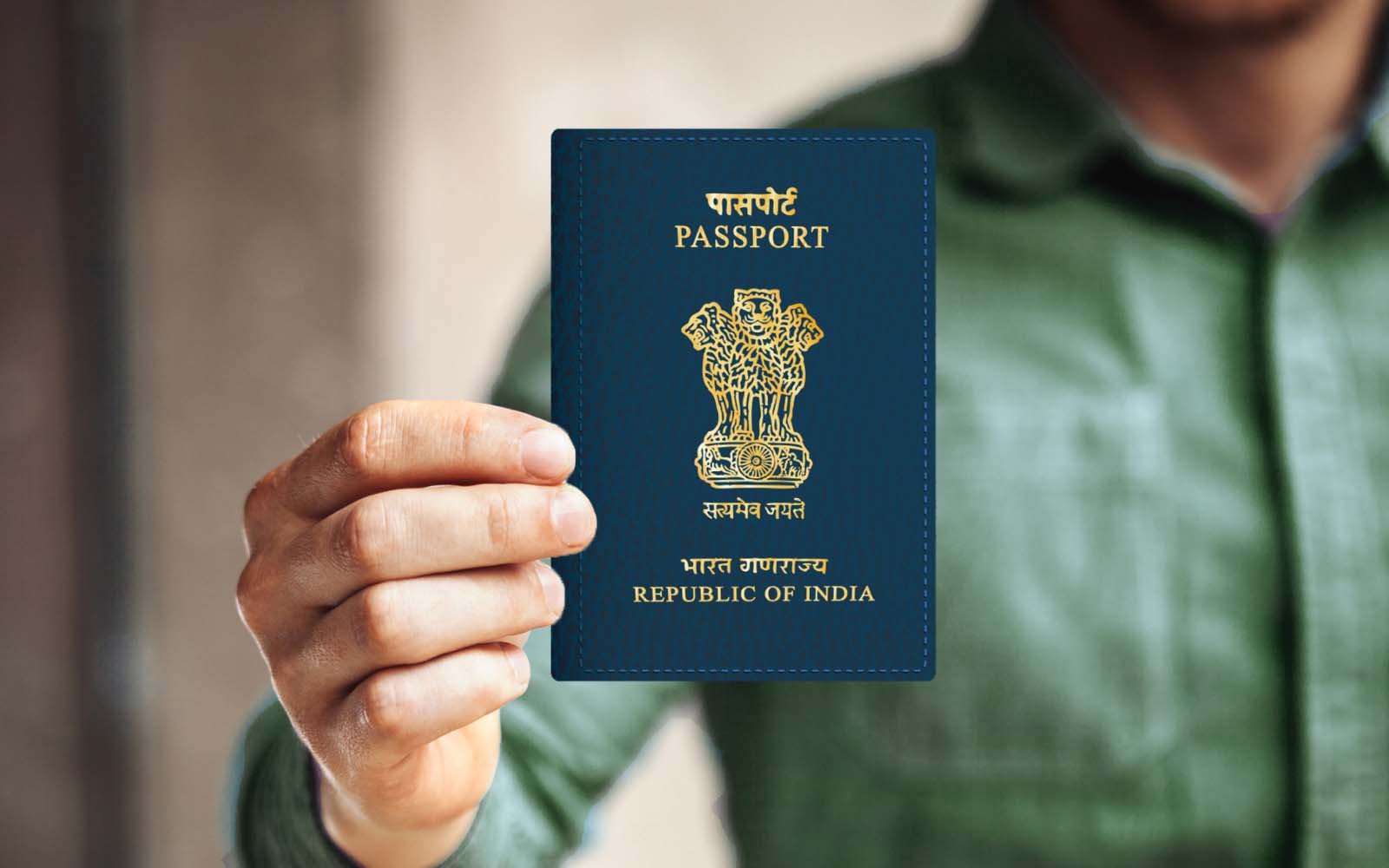
The Punjab and Haryana High Court delivered a significant judgment in a writ petition challenging the revocation of a passport on the ground of alleged suppression of marital status. The Court observed that while the Passport Act grants discretionary power to authorities to revoke or impound a passport for suppression of material information, such suppression must be deliberate and intended to secure a passport improperly. The Court noted that in cases of inadvertent errors, especially regarding minor details such as spouse name, the exercise of such power may not be justified. The Bench emphasized that authorities must distinguish between bona fide mistakes and deliberate misrepresentation, underlining fairness in administrative action.
Facts of the case:
The petitioner, Navpreet Kaur, had previously been married to Dr. Siddharth Narula and divorced in 2011. She subsequently remarried Sh. Neeraj Kumar in 2023. In 2015, while renewing her passport through a travel agent, the spouse column was inadvertently filled with her former husband’s name, Siddharth Narula. A complaint was later lodged by her second husband alleging that she had obtained the passport with incorrect marital information. Acting on the complaint, the Regional Passport Office, Chandigarh, revoked her passport citing suppression of material information under Section 10(3)(b) of the Passport Act, 1967. Her subsequent appeal before the Appellate Authority was also dismissed.
Considering the facts, the Court held that both the revocation order passed by the Regional Passport Office and the appellate order were legally unsustainable and set them aside. The Court directed the authorities to issue a fresh passport to the petitioner with correct particulars within three weeks from the date she supplies the required details. The petition was accordingly disposed of, and all pending applications were closed.
“In conclusion, the Punjab and Haryana High Court’s ruling provides relief to individuals who may have made minor mistakes in disclosing their marital status while applying for a passport. By holding that such errors are not grounds for revocation, the court’s decision promotes fairness and practicality in the application of passport regulations. This judgment is likely to benefit many individuals who may have faced similar issues, and underscores the importance of judicial oversight in ensuring that administrative actions are reasonable and just.”
