
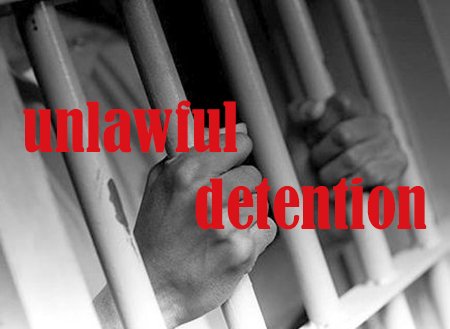
Wrongful detention due to mistaken identity is a serious issue that can have severe consequences for the wrongly accused individual. The High Court of Jammu & Kashmir and Ladakh has quashed a preventive detention order issued under the J&K Public Safety Act, 1978, citing a clear non-application of mind by the detaining authority. The court found that the grounds of detention were based on a case of mistaken identity, where the detente was detained based on material related to another individual with a similar name.
Here’s a breakdown of the situation:
Mistaken Identity Cases: These occur when individuals are erroneously identified as suspects, often due to miscommunications, flawed procedures or inadequate investigations. This can lead to wrongful detention, damage to reputation, emotional distress and financial burdens.
High Court Intervention: In a recent case, the High Court of Jammu & Kashmir and Ladakh quashed a preventive detention order due to mistaken identity. The court found that the detaining authority failed to apply its mind, relying on material related to another individual with a similar name.
Compensation for Wrongful Detention: In some cases, wrongfully detained individuals may be entitled to compensation. For instance, a Bedfordshire man was awarded £5,900 after being wrongfully arrested, held overnight and taken to court due to an IT error that led to a warrant being issued against him instead of another person with the same name.
Authorities’ Accountability: Authorities are expected to take responsibility for their mistakes and take steps to prevent similar errors in the future. In the case of Prudencio “Tatay Pruding” Calubid Jr., the Philippine National Police (PNP) acknowledged the mistake and vowed to compensate the 81-year-old man wrongly jailed for six months due to mistaken identity.
The High Court’s decision to free the man detained due to mistaken identity highlights the importance of diligence and accuracy in law enforcement procedures. Wrongful detention can have severe consequences for innocent individuals, including damage to their reputation, emotional distress, and financial losses. This case serves as a reminder of the need for authorities to take responsibility for their mistakes, implement measures to prevent similar errors, and ensure that justice is served. The court’s intervention in this case upholds the principles of justice and protects the rights of individuals.
